Budget-Friendly Deck Construction Services: Boost Your Home's Value
Budget-friendly deck construction services offer an ideal approach for property owners seeking to enhance their property's value. A well-constructed deck not only elevates the appearance of outdoor spaces but can also be attractive to prospective purchasers. By selecting budget-friendly materials and experienced builders, homeowners can establish an appealing outdoor environment. Still, knowing the details of deck construction and materials is important. What factors should one consider to guarantee a worthwhile investment?
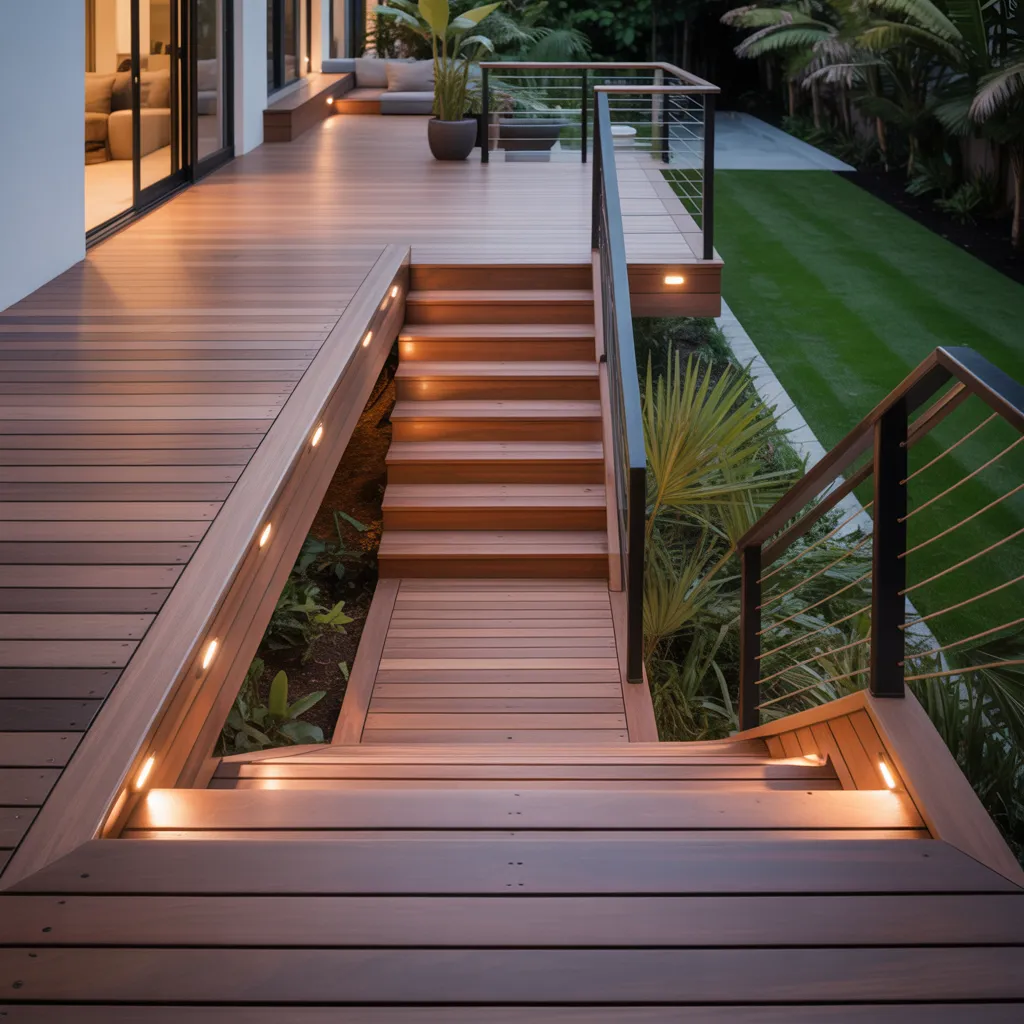
Top Reasons to Invest in Affordable Deck Building for Your Home
Opting for cost-effective deck construction can considerably boost a property's worth and attractiveness, especially when property owners understand the lasting advantages. One significant reason to contemplate this investment is the expanded outdoor area it offers. A professionally designed deck acts as a natural extension of your living space, offering a flexible space for relaxation, entertainment, or dining. Moreover, decks can encourage a more active way of living by encouraging outdoor activities.
Furthermore, budget-friendly deck installation can contribute to higher resale overview values. A professionally built deck often attracts potential buyers, making homes more marketable. Long-lasting quality and minimal upkeep expenses associated with quality materials contribute to the deck's usefulness and desirability. Ultimately, the decorative upgrade that a deck brings can cultivate a warm and appealing space, fostering a sense of comfort and enjoyment. Those who make smart investments in deck construction are positioned to enjoy both immediate and future benefits, enhancing their overall living experience.
How a Deck Enhances Your Home's Curb Appeal
A beautifully crafted deck functions as a striking focal point that greatly improves a home's curb appeal. Its existence revitalizes outdoor spaces, encouraging potential buyers and visitors to imagine casual entertaining or serene evenings. A well-designed deck harmonizes with the home's architecture, forming a unified appearance that improves the property's visual impact.
Furthermore, the finishes and materials incorporated can express a homeowner's individual taste, enhancing the overall aesthetic appeal. Lush landscaping matched with a deck can produce a harmonious environment, highlighting the overall property.
In areas where houses tend to look alike, a distinctive deck can distinguish a home from the rest, highlighting personal style and careful craftsmanship. This addition not only enhances visual appeal but also reflects a deliberate investment in the property, making it more appealing in today's demanding real estate landscape. At its core, a deck operates as both a usable outdoor space and a design improvement, significantly elevating curb appeal.
Deck Materials and Their Costs
When evaluating decking options, homeowners frequently compare the benefits of composite versus wood options. Both materials provide unique advantages and fluctuating expenses that can significantly affect the overall budget for the project. Evaluating these considerations assists in reaching knowledgeable determinations suited to specific needs and financial considerations.
Wood Decking Choices
Wood decking selections offer homeowners with a variety of choices that accommodate both aesthetic preferences and budget constraints. Popular materials include pressure-treated pine, celebrated for its budget-friendly nature and strength, making it a common choice for financially mindful installations. Cedar and redwood deliver a more organic look and natural decay resistance, although they are available at a greater expense. Premium tropical woods, like ipe and mahogany, offer outstanding longevity and visual appeal but can greatly increase overall expenses. Moreover, maintenance factors, such as staining and sealing, may affect long-term expenses. Ultimately, selecting the appropriate wood decking involves reconciling initial expenditure with long-term durability and appearance, helping homeowners secure a worthwhile return on their financial commitment.
Advantages of Composite Materials
Although many homeowners prefer conventional wood choices, composite materials have become increasingly popular due to their many advantages. These materials, often made from a blend of recycled plastic components and wood fibers, offer exceptional durability and resistance to weathering, pests, and rot. Such longevity reduces the need for frequent repairs and replacements, making them a sensible option for busy homeowners. Furthermore, composite decking requires considerably less maintenance than wood, doing away with the necessity of regular staining or sealing. With a variety of colors and textures available, composite materials can mimic the appearance of wood while providing a more consistent look. Ultimately, these qualities make composite decking a standout solution for those wanting to upgrade their exterior spaces without giving up quality or beauty.
Cost Evaluation Overview
Knowing the expenses linked to various deck materials is crucial for homeowners considering a deck installation. A range of materials feature varying price points, impacting overall project costs. Pressure-treated wood usually falls between $15 to $25 per square foot, positioning it as a common and cost-effective selection. By comparison, luxury hardwoods, including teak or mahogany, often range from $30 to $60 per square foot, drawing in those who value both strength and beauty. Composite materials, despite a steeper initial price of $20 to $40 per square foot, deliver extended lifespan with reduced maintenance requirements, potentially lowering overall long-term spending. Ultimately, selecting the right material involves balancing upfront expenses with future maintenance needs, ensuring the investment aligns with the homeowner's budget and desired deck functionality.
Fundamental Design Features for Your Dream Deck
When thinking about the design of an ideal deck, material selection is essential for both aesthetics and durability. Additionally, the layout and functionality must complement the planned purpose, whether for social gatherings, leisure, or outdoor planting. In harmony, these aspects establish a well-integrated outdoor environment that elevates the living space.
Considerations for Material Selection
Choosing the correct materials for a deck is essential to reaching both usability and visual appeal. Homebuilders encounter numerous options, including wood, composite, and PVC materials. Genuine wood provides a classic look and can be treated for longevity, but requires consistent care. Composite decking offer durability and resistance to weather elements, making them minimal in upkeep while mimicking the aesthetic of wood. PVC serves as another option, noted for its durability against fading and staining, but may lack the warmth of genuine wood. Furthermore, factors such as intended usage, local climate, and budget constraints hold considerable importance in choosing the right material. By carefully evaluating these aspects, homeowners can ensure their deck satisfies both visual and practical needs, enhancing their outdoor area considerably.
Design and Features
After choosing the right materials, the following step includes examining the layout and functionality of the deck. A well-planned layout optimizes space while providing comfortable movement and convenient accessibility. Residents should reflect on the deck's principal use—whether for entertaining, relaxing, or gardening—and plan with that in mind. Additions including built-in seating, planters, or privacy screens will boost practicality and decorative value. Additionally, integrating flow with the home's architecture and surrounding landscape is essential for visual harmony. Strategic zoning, including dedicated spaces for eating or relaxing, can enhance the entire outdoor setting. Accounting for variables like solar exposure and prevailing winds will further enhance the comfort of the outdoor space. In the end, a well-considered design and practical layout boost both livability and property value.
How to Identify Dependable Deck Builders in Your Local Area
Identifying dependable deck builders in your vicinity can often feel like an overwhelming undertaking. To start the process, homeowners should request suggestions from friends, family, or neighbors who have recently completed similar projects. Digital reviews and ratings on platforms like Google or Yelp can offer helpful information about local builders' track records.
Additionally, one must confirm qualifications. Contractors must be accredited and insured, providing protection from potential liabilities. Reviewing a portfolio of completed work helps determine quality of work and stylistic alignment.
Homeowners should additionally gather multiple quotes to gauge the pricing and services available. Open communication is essential; contractors should be prepared to address inquiries and supply thorough project timelines. Lastly, checking for warranties or guarantees can provide extra reassurance. By following these steps, homeowners can effectively choose a reliable deck builder who meets their needs and expectations.
Budgeting Tips for Affordable Deck Building
Budgeting for affordable deck building demands thorough planning and evaluation of multiple factors. Homeowners should start by determining their overall budget, which includes not just material costs but also labor, permits, and potential unexpected expenses. Looking into local pricing for materials including wood, composite, or vinyl can aid homeowners in making educated choices that suit their budget.
Next, it's important to prioritize the features and design aspects. A simple design can be more cost-effective than elaborate features. Residents should also take advantage of supplier discounts or seasonal sales, which can lead to significant savings.
In the end, obtaining various quotes from experienced deck construction specialists can help determine fair pricing and make it easier to select the best option. Through assessing all of these considerations, residential property owners can build a practical budget that supports a superior deck while staying within financial limits.
How Adding a Deck Impacts Your Real Estate Value
Building a deck can considerably increase a property's real estate value, often yielding a return on investment that attracts future buyers. Housing market professionals frequently note that houses equipped with decks generally sell more rapidly and at increased price points when measured against comparable homes lacking outdoor areas. A well-constructed deck offers extra living area, allowing homeowners to enjoy social events, grilling sessions, or tranquil outdoor moments, which can be notably desirable in neighborhoods centered around family living.
Furthermore, decks can serve as a defining feature in yard planning, reshaping an standard space into a appealing sanctuary. Homebuyers often perceive a deck as a symbol of a well-maintained home, further enhancing its selling potential. Local tastes also play a role; in tropical areas, a deck can be a key attraction. In the end, investing in a deck can not only boost a home's aesthetic appeal but also significantly add to its broader financial value.
Maintenance Tips to Preserve Your Deck's Value
Maintaining a deck is essential for maintaining its worth and extending its lifespan. Periodic inspections need to be carried out to detect any indications of deterioration, such as splitting wood or unsecured boards. Scrubbing the deck at least twice yearly helps remove dirt and mildew, which can cause deterioration. Applying a gentle cleanser and a soft-bristled brush or pressure washer provides a deep clean without compromising the material.
Adding a protective coating every couple of years is important to safeguard against moisture and UV damage, thereby prolonging the deck's lifespan. It is also important to maintain clear gutters to prevent water accumulation and to guarantee effective drainage.
For wooden decks, periodic sanding could be needed to eliminate rough spots and preserve an attractive surface. Lastly, guaranteeing that furniture and planters are shifted at regular intervals can stop uneven wear and surface impressions, ultimately preserving the deck's aesthetic and functional value.

Popular Questions We Receive
What Permits Do You Need to Build a Deck?
Building a deck typically requires a construction permit, zoning clearance, and potentially extra permits for electrical and plumbing installations. Municipal regulations differ, so consulting the municipality is essential to ensure all requirements are met.
How Long Does It Take to Complete a Typical Deck Installation?
A typical deck installation usually takes one to three weeks to complete, influenced by the size, complexity, and prevailing weather conditions. Proper planning and permitting can influence the timeline, ensuring a smoother construction process overall.
Is It Better to Build a Deck DIY or Hire a Professional?
One can choose to build a deck as a DIY project, which offers a sense of accomplishment, or bring in a professional for their skill and effectiveness. Both options depend on one's own capabilities, available resources, and expected goals.
What Are the Latest Deck Design Trends This Year?
In the current year, popular deck design trends include multi-level layouts, incorporated seating options, environmentally friendly materials, and vibrant color schemes. Furthermore, exterior lighting and smart home technology features are becoming increasingly popular, improving functionality and visual appeal for homeowners.
Do Eco-Friendly Materials Exist for Deck Building?
Yes, there are multiple green options available for building decks, including reclaimed wood, bamboo materials, and composite decking created from reclaimed plastics and wood fibers. These options reduce environmental impact while providing long-lasting beauty and strength.